Internal Bachelor of Laws (Hons) Degree of Open University of Sri Lanka (OUSL)
👇 SELECT YOUR LEVEL & MEDIUM 👇
👇 REGISTER, PAY & ACCESS COURSE 👇
Select your level & medium and click 'Student Profile' to register, pay fees, and access notes & recordings.
ප්රශ්නය: ශ්රී ලංකා විවෘත විශ්වවිද්යාලයේ නීතිවේදී (ගෞරව) උපාධිය (Bachelor of Laws - Honours) යනු කුමක්ද?
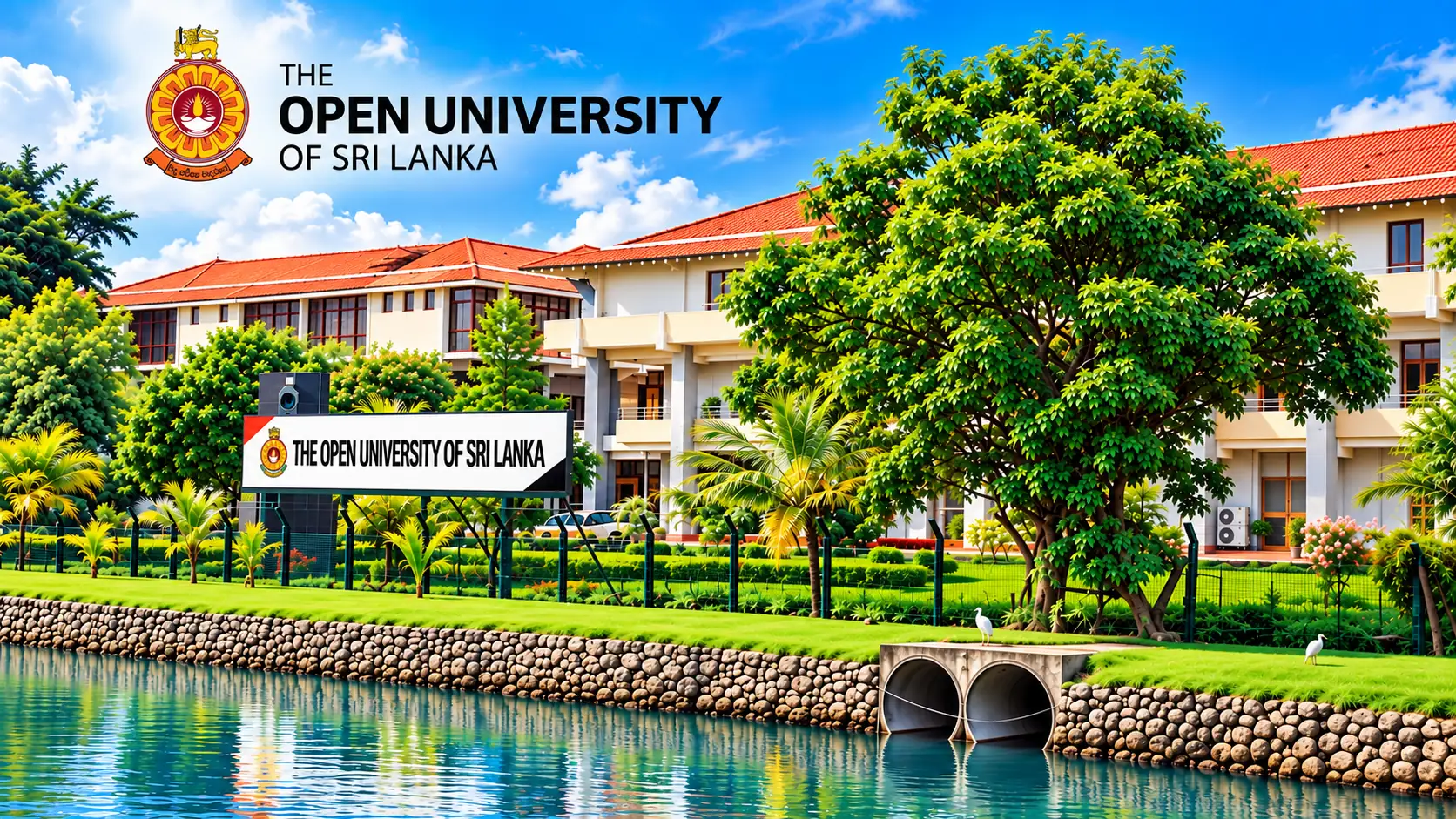
නීතිවේදී (ගෞරව) උපාධිය (LL.B Honours) යනු ශ්රී ලංකා විවෘත විශ්වවිද්යාලයේ (OUSL) මානව ශාස්ත්ර හා සමාජීය විද්යා පීඨයේ නීති අධ්යයන අංශය මගින් පිරිනමනු ලබන නීති උපාධියකි. 1984 වසරේ සිට එම අධ්යයන අංශය විසින් මෙම LL.B උපාධිය පිරිනමනු ලබයි. විවෘත හා දුරස්ථ අධ්යයන (ODL) ක්රමවේදය ඔස්සේ LL.B උපාධියක් පිරිනමන ශ්රී ලංකාවේ එකම විශ්වවිද්යාලය OUSL වේ.
ප්රශ්නය: ශ්රී ලංකා විවෘත විශ්වවිද්යාලයේ (OUSL) LL.B උපාධිය හැදෑරීමේ ප්රධාන වාසි මොනවාද?
රැකියාවක් කරන අතරතුර, වෙනත් උපාධියක් හදාරන අතරතුර හෝ විදේශගතව සිටියදී වුවද ඔබට මාර්ගගතව (online) මෙම උපාධිය හැදෑරිය හැකිය. පෞද්ගලික හෝ විදේශීය LL.B උපාධි මෙන් නොව, ශ්රී ලංකා නීති විද්යාලයට ඇතුළත් වීම සඳහා විශේෂ නීති ප්රවේශ විභාගයට (Special Law Entrance Examination) පෙනී සිටීමට ඔබට අවශ්ය නොවේ.
ප්රශ්නය: LL.B උපාධි පාඨමාලාවේ කාලසීමාව කොපමණද?
නීතිවේදී (ගෞරව) උපාධිය 3, 4, 5 සහ 6 යන මට්ටම් (Levels) ආවරණය වන පරිදි වසර 4ක පාඨමාලාවක් ලෙස සැලසුම් කර ඇත.
පළමු ලියාපදිංචියේ සිට උපරිම වශයෙන් අධ්යයන වර්ෂ 12ක් ඇතුළත මෙම උපාධිය සම්පූර්ණ කළ යුතුය.
ප්රශ්නය: LL.B උපාධිය ලබා ගැනීමට මා සම්පූර්ණ කළ යුතු සම්මාන (Credits) ගණන කොපමණද?
නීතිවේදී (ගෞරව) පාඨමාලාවට අවම වශයෙන් පාඨමාලා සම්මාන (credits) 123ක් ඇතුළත් වේ. ඉන් සම්මාන 120ක් GPA ගණනය කිරීම සඳහා භාවිතා කෙරේ. සම්මාන 3කින් යුත් 'අධිනීතිඥ කලාව' (Art of Advocacy) පාඨමාලාව අඛණ්ඩ අධ්යාපන / GPA නොවන (non-GPA) පාඨමාලාවකි.
ප්රශ්නය: පළමු වසරේදී (Level 3) හදාරනු ලබන විෂයයන් මොනවාද?
Level 3 සඳහා අනිවාර්ය සම්මාන 30ක් ඇතුළත් වන අතර, ඊට පහත විෂයයන් ඇතුළත් වේ:
- ශ්රී ලංකාවේ නීති පද්ධතිය සහ නීති ඉතිහාසය (Legal System and Legal History of Sri Lanka)
- නීති ක්රමවේදය සහ නීතිමය ලේඛනය (Legal Method and Legal Writing)
- රෝම නීතිය (Roman Law)
- ආණ්ඩුක්රම ව්යවස්ථා නීතිය I (Constitutional Law I)
- සාධාරණත්වය සහ භාර නීතිය (Equity and Trusts Law)
- ව්යවස්ථා සහ ලේඛන අර්ථනිරූපණය (Interpretation of Statutes and Documents)

ප්රශ්නය: දෙවන වසරේදී (Level 4) හදාරනු ලබන විෂයයන් මොනවාද?
Level 4 සඳහා පහත විෂයයන් ඇතුළත් වේ:
- ගිවිසුම් නීතිය (Laws of Contract)
- අපරාධ නීතිය (Criminal Law)
- පවුල් නීතිය (Family Law)
- ආණ්ඩුක්රම ව්යවස්ථා නීතිය II (Constitutional Law II)
- ඉඩම් නීතිය (Land Law)
- අධිනීතිඥ කලාව (Art of Advocacy)
ප්රධාන නීති පාඨමාලා පහ මගින් අනිවාර්ය සම්මාන 30ක් ලබා දෙන අතර, අධිනීතිඥ කලාව (Art of Advocacy) සඳහා GPA නොවන අඛණ්ඩ අධ්යාපන සම්මාන 3ක් හිමිවේ.
ප්රශ්නය: තුන්වන වසරේදී (Level 5) හදාරනු ලබන විෂයයන් මොනවාද?
Level 5 සඳහා පහත අනිවාර්ය පාඨමාලා ඇතුළත් වේ:
- පොදු ජාත්යන්තර නීතිය (Public International Law)
- පාරිසරික නීතිය (Environmental Law)
- පර්යේෂණ ක්රමවේදය (Research Methodology)
- පරිපාලන නීතිය (Administrative Law)
- මානව හිමිකම් නීතිය (Human Rights Law)
- විකල්ප විෂය (Optional Subject)
ජාත්යන්තර මානුෂීය නීතිය (International Humanitarian Law), ජාත්යන්තර මුහුදු නීතිය (International Law of the Sea), සරණාගත නීතිය (Refugee Law) සහ සෞඛ්ය නීතිය (Health Law) ඇතුළු පවතින විෂයයන් අතරින් ශිෂ්යයන් විසින් එක් වරණීය විෂයයක් (elective) ද තෝරා ගත යුතුය.

ප්රශ්නය: අවසන් වසරේදී (Level 6) හදාරනු ලබන විෂයයන් මොනවාද?
Level 6 සඳහා පහත විෂයයන් ඇතුළත් වේ:
- නීතිවේදය (Jurisprudence)
- දිලික්ත නීතිය (Law of Delict)
- වාණිජ නීතිය (Commercial Law)
- කම්කරු නීතිය (Labour Law)
- නිබන්ධනය (Dissertation)
- විකල්ප විෂය (Optional Subject)
තොරතුරු හා සන්නිවේදන තාක්ෂණ නීතිය (Information Communication Technology Law), බුද්ධිමය දේපළ නීතිය (Intellectual Property Law), ජාත්යන්තර ආයෝජන නීතිය (International Investment Law) හෝ ජාත්යන්තර වෙළඳ නීතිය (International Trade Law) යන විෂයයන් අතරින් ශිෂ්යයන් විසින් එක් වරණීය විෂයයක් ද තෝරා ගත යුතුය.
ප්රශ්නය: ඇත්තේ අවසාන විභාගයක් පමණක්ද?
නැත. අධ්යයන වර්ෂය පුරා පැවැත්වෙන අඛණ්ඩ ඇගයීම් (CATs) මෙන්ම සෑම පාඨමාලාවක් සඳහාම පැවැත්වෙන අවසාන විභාගයක් මගින් ශිෂ්යයන් ඇගයීමට ලක් කෙරේ.
අඛණ්ඩ ඇගයීම්වලට පොත් නොමැතිව පැවැත්වෙන පරීක්ෂණ (Closed Book/No Book Tests), විවෘත පොත් පරීක්ෂණ (Open Book Tests), උපදේශකවරුන් විසින් ලකුණු කරනු ලබන පැවරුම් (Tutor Marked Assignments), වාචික ඉදිරිපත් කිරීම් (VIVA) සහ ව්යාපෘති වාර්තා ඇතුළත් විය හැකිය. සමස්ත පාඨමාලා ලකුණු තීරණය වන්නේ අඛණ්ඩ ඇගයීම් කාර්යසාධනය සහ අවසාන විභාගයේ ලකුණු ඒකාබද්ධ කිරීමෙනි.
ප්රශ්නය: අධ්යයන මාධ්යය කුමක්ද?
මෙම උපාධි පාඨමාලාව සිංහල, දෙමළ සහ ඉංග්රීසි යන මාධ්ය තුනෙන්ම පිරිනමනු ලැබේ. LL.B ප්රවේශ විභාගයේ බුද්ධි පරීක්ෂණය සහ සාමාන්ය දැනීම (IQ & GK) ප්රශ්න පත්රය සඳහා තෝරා ගන්නා මාධ්යය උපාධි පාඨමාලාවේ ශිෂ්යයාගේ අධ්යයන මාධ්යය බවට පත්වේ.
ප්රශ්නය: මට සෑම දිනකම විශ්වවිද්යාලයට පැමිණීමට සිදුවේද?
නැත. OUSL අනුගමනය කරන්නේ සාම්ප්රදායික දෛනික විශ්වවිද්යාල ආකෘතිය වෙනුවට විවෘත හා දුරස්ථ අධ්යයන (ODL) පද්ධතියකි.
පාඨමාලා ද්රව්ය, මාර්ගගත පාඨමාලා (online courses), LMS, අන්තර්ක්රියාකාරී ඉගෙනුම් සැසි (Interactive Learning Sessions) සහ ශ්රව්ය-දෘශ්ය ඉගෙනුම් ද්රව්ය වැනි ක්රමවේද හරහා ඉගැන්වීම් සිදු කෙරේ. මෙම පද්ධතිය සැලසුම් කර ඇත්තේ ඉගෙනීම සඳහා නම්යශීලී ප්රවේශයක් ලබා දීම සඳහාය.
කෙටියෙන් කිවහොත්, LL.B ප්රවේශ විභාගය සමත් වීමෙන් පසු, ඔබට විදේශගතව සිට වුවද මෙම පාඨමාලාව හැදෑරිය හැකිය.
ප්රශ්නය: මට LL.B උපාධි පාඨමාලාව හැදෑරිය හැක්කේ කොහේද?
ප්රාදේශීය මධ්යස්ථාන නවයක් හරහා අධ්යයන කටයුතු පවත්වනු ලැබේ:
කොළඹ | මහනුවර | මාතර | අනුරාධපුර | යාපනය | මඩකලපුව | බදුල්ල | කුරුණෑගල | රත්නපුර
ඔබගේ ප්රාදේශීය මධ්යස්ථානය තීරණය වන්නේ ඔබගේ ස්ථිර පදිංචි දිස්ත්රික්කය අනුව වන අතර, තෝරාගත් ශිෂ්යයන් ලියාපදිංචි වීමේදී ස්ථිර පදිංචිය තහවුරු කිරීම සඳහා ග්රාම නිලධාරී DS4 සහතිකයක් ඉදිරිපත් කළ යුතුය.
ප්රශ්නය: LL.B ශිෂ්යයන්ට අමතර ඉංග්රීසි පාඨමාලාවක් සම්පූර්ණ කිරීමට සිදුවේද?
ඇතැම් ශිෂ්යයන්ට 'ශාස්ත්රීය අරමුණු සඳහා ඉංග්රීසි (නීති අධ්යයන)' (English for Academic Purposes - Legal Studies) පාඨමාලාව සම්පූර්ණ කිරීමට අවශ්ය වේ.
LL.B තෝරා ගැනීමේ පරීක්ෂණයේදී (Selection Test) ඔවුන්ගේ ඉංග්රීසි කාර්යසාධනය අනුව ශිෂ්යයන් ශ්රේණිගත කෙරේ. ප්රමාණවත් කාර්යසාධනයක් ඇති අයට හෝ මෑතකදී ලබාගත් සුදුසුකම් ලත් IELTS/TOEFL ප්රවීණතාවක් ඇති අයට ඉන් නිදහස් වීමක් (exemption) ලැබිය හැකිය.
අනෙකුත් ශිෂ්යයන් මෙම ඉංග්රීසි පාඨමාලාව සම්පූර්ණ කළ යුතුය.
ප්රශ්නය: නීතිඥවරයෙකුට (Attorney-at-Law) සෘජුවම LL.B උපාධියට සම්බන්ධ විය හැකිද?
ශ්රී ලංකා ශ්රේෂ්ඨාධිකරණයේ නීතිඥවරුන්ට Level 4 සඳහා සෘජුවම ඇතුළත් වීමට ඉල්ලුම් කළ හැකිය. ඔවුන් තෝරා ගැනීමේ පරීක්ෂණයෙන් (Selection Test) සහ Level 3 වෙතින් නිදහස් කෙරේ.
ප්රශ්නය: OUSL LL.B උපාධිය සම්පූර්ණ කිරීමෙන් පසු මට නීතිඥවරයෙකු (Attorney-at-Law) විය හැකිද?
නැත. LL.B යනු ශාස්ත්රීය නීති උපාධියකි. ශ්රී ලංකා ශ්රේෂ්ඨාධිකරණයේ නීතිඥවරයෙකු වීමට නම්, ශ්රී ලංකා නීති විද්යාලයේ (Sri Lanka Law College) ලියාපදිංචි වී එහි තුන්වන වසරේ විභාගයට පමණක් පෙනී සිටිය යුතුය.
ප්රශ්නය: දැනටමත් OUSL LL.B හදාරන ශිෂ්යයන් සඳහා Pramuka Law School මගින් පන්ති පවත්වනු ලබයිද?
ඔව්. විවෘත විශ්වවිද්යාලයේ LL.B උපාධියේ 3, 4, 5 සහ 6 මට්ටම්වල (Levels) සිංහල සහ ඉංග්රීසි යන මාධ්ය දෙකෙන්ම අධ්යාපනය ලබන ශිෂ්යයන් සඳහා Pramuka Law School විසින් වෙනම LL.B Internal පාඨමාලාවක් පවත්වනු ලබයි.
නීති විෂයයන් අවබෝධ කර ගැනීමට, අඛණ්ඩ ඇගයීම් සහ අවසාන විභාග සඳහා සූදානම් වීමට, ව්යුහගත නීතිමය පිළිතුරු ලිවීමට පුහුණු වීමට සහ LL.B පාඨමාලාවේ අධ්යයන කටයුතු සාර්ථකව කළමනාකරණය කර ගැනීමට මෙම පාඨමාලාව මගින් අමතර ශාස්ත්රීය සහාය ලබා දේ.

ප්රශ්නය: OUSL අභ්යන්තර LL.B ශිෂ්යයෙකුට Pramuka Law School හා සම්බන්ධ විය හැක්කේ කෙසේද?
LL.B Internal පාඨමාලාව, පවතින විෂයයන්, පන්ති ව්යුහය, ගාස්තු, පටිගත කිරීම් (recordings) සහ ලියාපදිංචි වීමේ ක්රියාවලිය පිළිබඳව දැන ගැනීමට හඳුන්වාදීමේ වීඩියෝව (Introduction Video) නරඹන්න.
“LLB INTERNAL” යනුවෙන් සඳහන් කර 077 401 0677 අංකයට WhatsApp පණිවිඩයක් යොමු කරන්න.
Q: What is the Bachelor of Laws (Honours) Degree at the Open University of Sri Lanka?
The LL.B (Honours) is a law degree offered by the Department of Legal Studies, Faculty of Humanities and Social Sciences, The Open University of Sri Lanka (OUSL). The Department has offered the LL.B Degree since 1984. OUSL is the only Sri Lankan university offering an LL.B through the Open and Distance Learning (ODL) mode.
Q: What are the main advantages of studying the OUSL LL.B?
You can study online while working, pursuing another degree, or living abroad. Unlike a private/foreign LL.B degree, you do not have to sit the Special Law Entrance Examination to enter Sri Lanka Law College.
Q: What is the duration of the LL.B Degree programme?
The LL.B (Honours) Degree is designed as a 4-year programme, covering Levels 3, 4, 5 and 6.
The degree must be completed within a maximum of 12 academic years from first registration.
Q: How many credits must I complete to obtain the LL.B?
The LL.B (Honours) programme contains a minimum of 123 course credits. Of these, 120 credits are used for GPA calculation. The 3-credit Art of Advocacy course is a Continuing Education/non-GPA course.
Q: What subjects are studied in the first year (Level 3)?
Level 3 consists of 30 compulsory credits, including:
- Legal System and Legal History of Sri Lanka
- Legal Method and Legal Writing
- Roman Law
- Constitutional Law I
- Equity and Trusts Law
- Interpretation of Statutes and Documents
Q: What subjects are studied in the second year (Level 4)?
Level 4 includes:
- Laws of Contract
- Criminal Law
- Family Law
- Constitutional Law II
- Land Law
- Art of Advocacy
The five main law courses provide 30 compulsory credits, while Art of Advocacy carries 3 non-GPA Continuing Education credits.
Q: What subjects are studied in the third year (Level 5)?
Level 5 includes compulsory courses in:
- Public International Law
- Environmental Law
- Research Methodology
- Administrative Law
- Human Rights Law
- Optional Subject
Students also select an elective from the available subjects, which include International Humanitarian Law, International Law of the Sea, Refugee Law and Health Law.
Q: What subjects are studied in the final year (Level 6)?
Level 6 includes:
- Jurisprudence
- Law of Delict
- Commercial Law
- Labour Law
- Dissertation
- Optional Subject
Students also select an elective from Information Communication Technology Law, Intellectual Property Law, International Investment Law or International Trade Law.
Q: Is there only a final examination?
No. Students are assessed throughout the academic year through Continuous Assessments (CATs) as well as a Final Examination for each course.
Continuous assessment may include Closed Book/No Book Tests, Open Book Tests, Tutor Marked Assignments, oral presentations (VIVA) and project reports. The overall course mark combines continuous assessment performance with the final examination.
Q: What is the medium of study?
The programme is offered in Sinhala, Tamil and English. The medium selected for the IQ & GK paper for the LL.B Entrance becomes the student's medium of study in the degree programme.
Q: Do I have to attend university every day?
No. OUSL follows an Open and Distance Learning (ODL) system rather than the conventional daily university model.
Learning is delivered through methods such as course materials, online courses, LMS, Interactive Learning Sessions and audio-visual learning materials. This system is designed to provide flexible access to learning.
In short, after passing the LL.B Entrance Examination, you can also pursue this course from abroad.
Q: Where can I follow the LL.B programme?
Academic activities are conducted through nine Regional Centres:
Colombo | Kandy | Matara | Anuradhapura | Jaffna | Batticaloa | Badulla | Kurunegala | Ratnapura
Your Regional Centre is determined according to your permanent residential district, and selected students must submit a Grama Niladhari DS4 Certificate as proof of permanent residence when registering.
Q: Do LL.B students have to complete an additional English programme?
Some students are required to complete the English for Academic Purposes (Legal Studies) programme.
Students are graded according to their English performance in the LL.B Selection Test. Those with sufficient performance, or qualifying recent IELTS/TOEFL proficiency, may receive an exemption.
Other students must complete the English programme.
Q: Can an Attorney-at-Law join the LL.B directly?
Attorneys-at-Law of the Supreme Court of Sri Lanka may seek direct entry to Level 4. They are exempted from both the Selection Test and Level 3.
Q: Can I become an Attorney-at-Law after completing the OUSL LL.B?
No. LL.B is an academic law degree. To become an attorney at the Supreme Court of Sri Lanka, one must register at the Sri Lanka Law College and write only the third year examination.
Q: Does Pramuka Law School provide classes for students already studying the OUSL LL.B?
Yes. Pramuka Law School provides a separate LL.B Internal programme for students studying the Open University LL.B Degree in Level 3, 4, 5 & 6 in both Sinhala and English mediums.
The course can provide additional academic support for understanding law subjects, preparing for Continuous Assessments and Final Examinations, practising structured legal answers, and managing the demands of the LL.B programme.
Q: How can an OUSL internal LL.B student join Pramuka Law School?
Watch the Introduction Video to learn about the LL.B Internal Course, available subjects, class structure, fees, recordings and registration process.
Send a WhatsApp message with the text “LLB INTERNAL” to 077 401 0677.
Q: What subjects are studied in the second year (Level 4)?
Level 4 includes:
- Laws of Contract
- Criminal Law
- Family Law
- Constitutional Law II
- Land Law
- Art of Advocacy
The five main law courses provide 30 compulsory credits, while Art of Advocacy carries 3 non-GPA Continuing Education credits.
Q: Can an Attorney-at-Law join the LL.B directly at Level 4?
Attorneys-at-Law of the Supreme Court of Sri Lanka may seek direct entry to Level 4. They are exempted from both the Selection Test and Level 3.
Q: What subjects are studied in the third year (Level 5)?
Level 5 includes compulsory courses in:
- Public International Law
- Environmental Law
- Research Methodology
- Administrative Law
- Human Rights Law
- Optional Subject
Students also select an elective from available subjects including International Humanitarian Law, International Law of the Sea, Refugee Law and Health Law.
Q: What subjects are studied in the final year (Level 6)?
Level 6 includes:
- Jurisprudence
- Law of Delict
- Commercial Law
- Labour Law
- Dissertation
- Optional Subject
Students also select an elective from Information Communication Technology Law, Intellectual Property Law, International Investment Law or International Trade Law.
Download below past papers for FREE.